
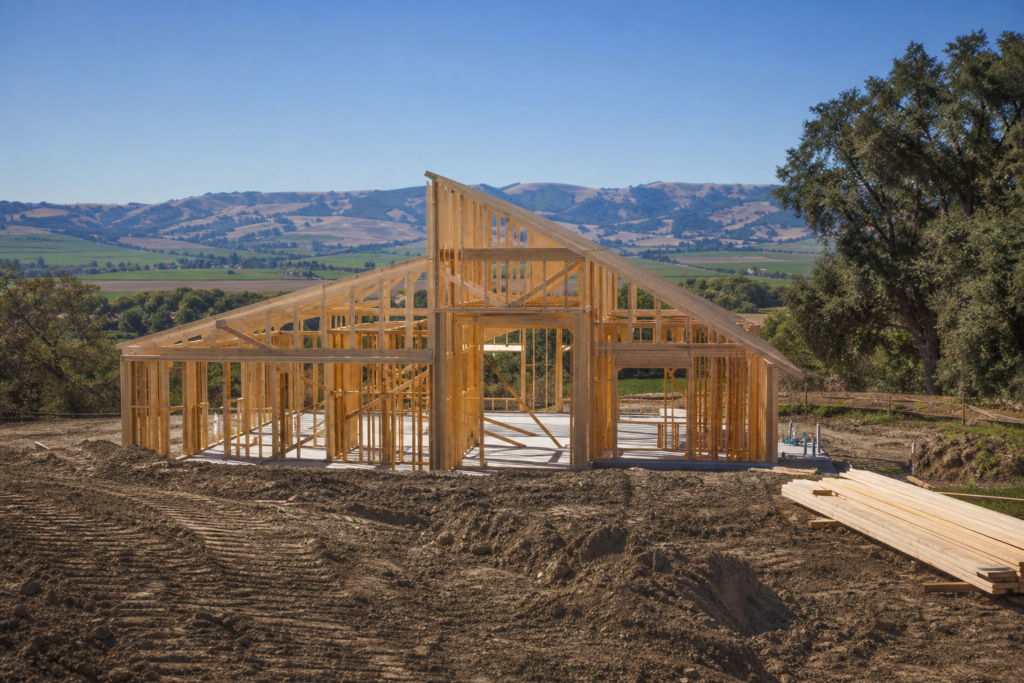
Winters real estate is thriving: the latest data shows a $649,500 median sale price and a residential median up 7.3% year over year. Farmland has no verified local appreciation rate, so its value depends on zoning, water, crops, and improvements. A parcel-specific review shows what a Winters agricultural property would bring.
Winters Real Estate is Thriving With an Agricultural Edge
Is it true that Winters real estate is thriving for farm sellers?
Winters real estate is thriving, and the agricultural character of the town and the land around it is part of the reason buyers look here. The most recent data shows a residential median sale price of $649,500 and prices up year over year. No one can honestly quote you a single farmland appreciation rate for Winters, because value depends on each parcel’s water, zoning, crops, and improvements.
Key Takeaways
- Winters’ median sale price is $649,500 in recent local market data (trailing 90 days to October 2026), above Woodland at $550,000 and Esparto at $435,000.
- The three months ending August 2026 show a Winters residential median up 7.3% year over year, but on only 18 sales, so it is a thin sample.
- Those figures describe ordinary homes, not farms, and they do not prove that agricultural land has appreciated by any particular percentage.
- A farm’s value turns on water, zoning, crop or planting type, and improvements, and each should be valued separately.
- Whether a parcel sits inside the city or in unincorporated Yolo County decides which agency’s rules apply to it.
I’m going to be straight with you, because it will serve you better than hype. The buyer pool for working land is different from the pool for a house in town. The numbers you see online mostly describe the second one.
What does the recent Winters market data actually show?
It shows a healthy residential market with a small sample. In the three months ending August 2026, CaHousingMarketNews reports a Winters median sale price of $638,328, up 7.3% year over year. It also reports 18 homes sold, 46 active listings (up 53.3%), and a 100.1% sale-to-list ratio.
Recent local market data for the trailing 90 days to October 2026 puts the Winters median sale price at $649,500. Here is how that compares with nearby areas:
| Area | Median Sale Price | Median Days on Market |
|---|---|---|
| Esparto | $435,000 | 28 |
| Woodland | $550,000 | 46 |
| Winters | $649,500 | 39 |
The days-on-market column counts homes that sold. An individual home’s value still varies with its condition, street, and timing. If you want the town-to-town picture in more depth, I broke it down in Winters Real Estate vs Woodland & Davis.
Does a strong residential market mean farmland is appreciating?
Not by itself. Residential data is a useful backdrop, and it tells you buyers are active in the area. Farmland trades on different drivers: soil, water, crop income, and parcel size.
The USDA NASS California agriculture overview is a good statewide reference. It does not price a Winters orchard or a Capay Valley row-crop parcel, and I won’t pretend it does. When I hear “farmland is up X%,” I ask which parcel, with which water, and which crop.
Why does the agricultural edge matter to Winters at all?
Because agriculture is part of how Winters describes itself. The City’s 2026 State of the City presentation names agricultural heritage, dining, wine, and arts as part of the community’s identity. The City of Winters General Plan Policy Document also directs the city to support agricultural and related uses inside the Urban Limit Line until urban development is imminent.
That is identity and policy context. It is not a promise of appreciation for your parcel. If you hold agricultural property here, that identity can work in your favor when you market it, and it is why Winters real estate is thriving in a way a generic suburb’s market is not. Your price still comes from the parcel itself.
What makes a Winters agricultural property worth more to a buyer?
Four things carry most of the weight: legal status and zoning, water, what is growing on the land, and the improvements. I treat agricultural land as a working asset, not a house with extra acreage attached, and each of these four is valued on its own.
Is the parcel inside the city or in the county?
This is the first question, and it decides who writes the rules. Much of the working farmland around Winters sits outside the incorporated city, so the governing rules may come from the City of Winters, Yolo County, or both, depending on location and sphere-of-influence status.
The General Plan is a policy document, not a parcel-specific zoning determination. Confirm the zoning, General Plan designation, and legal-lot status with the responsible planning agency before you advertise anything about a parcel.
How many homes can you build on agricultural land here?
It depends on the parcel. The General Plan policy document describes an agricultural designation that allows agricultural uses, single-family residences, and limited commercial or industrial uses directly related to agriculture. It states a five-acre minimum parcel size and limits residential use to one unit per parcel.
That applies to the designation described in that document. It is not a universal rule for every agricultural parcel near Winters. Don’t assume you can add a second residence or split a lot until the planning agency confirms it in writing.
How much does water affect value?
A great deal, and it has to be documented, not assumed. Before I price a farm or ranch, I walk the ground and read the water story and the soil, because a buyer’s lender and appraiser will ask for the same things.
- Source and reliability: wells, surface-water rights or contracts, and irrigation infrastructure.
- Conditions and limits: groundwater conditions, drainage, and any agricultural or groundwater-management restrictions.
- Paper trail: records that show what the property has actually used and delivered.
Do crops and improvements change the comparison?
Yes. Orchards, vineyards, and row crops do not compare cleanly to each other. Farm residences, barns, processing facilities, wells, irrigation systems, solar installations, conservation easements, and leased acreage each change the picture too.
Lumping them under “farmland” is how sellers end up with a number that doesn’t hold up. If you own trees or vines, my post on selling orchards and vineyards in Winters covers what buyers weigh.
How should I price and prepare a Winters farm or ranch for sale?
Start with a parcel-specific analysis, not a headline number. Comparable agricultural sales are few, so the work is in separating the land from the house and the improvements, then finding sales that truly match. I’d rather give you the honest pricing conversation up front than let the market give it to you later.
What does the process look like?
- Verify jurisdiction and zoning. Confirm city versus county and the parcel’s designation.
- Assemble your records. Gather water, crop, lease, and improvement documentation.
- Find real comparables. Look for agricultural transactions with similar water, crop, and size.
- Separate the components. Value the land, the residence, and the improvements individually.
- Get an expert opinion. Use a broker opinion or appraisal from someone experienced in Yolo County agricultural property.
Because the evidence doesn’t support a generalized Winters farmland appreciation rate or a standard price per acre, I don’t publish one. Your number comes from your parcel. That is where a local market analysis comes in.
Does being near the Urban Limit Line add value?
Possibly, but don’t count on it. The General Plan supports continued agricultural use until urban development is imminent. That does not guarantee rezoning, development approval, or appreciation for a given property. I would price on what the land does today and treat any future potential as unproven until the city or county says otherwise.
If your property includes a home you may sell on its own timeline, what stalls a home sale in Winters is worth a read before you list.
Don’t take my word alone on how I work. You can read what my clients say on Google, Zillow, and Realtor.com.
FAQ
Are agricultural properties near Winters appreciating faster than standard homes?
There is no verified local figure that answers this. The residential median in Winters is up 7.3% year over year for the three months ending August 2026, per CaHousingMarketNews, but that sample is 18 sales and it describes homes, not farms. Farmland value moves with water, crop income, and parcel specifics, so a parcel review is the only reliable answer.
Can I live on agricultural property in Winters, and how many homes are allowed?
Often yes, but it depends on the parcel’s zoning and designation. The city’s General Plan describes an agricultural designation that allows single-family residences with a five-acre minimum parcel size and one unit per parcel. Confirm your own parcel with the City of Winters or Yolo County planning staff before you count on a second home.
How much does water access affect the value of a Winters farm or ranch?
Water is a core valuation variable, and it has to be documented. Buyers and appraisers look at wells, surface-water rights or contracts, drainage, and any groundwater-management restrictions. I won’t quote a dollar effect because it varies by parcel, and no verified parcel-level Winters figure exists to cite.
Does being near the City of Winters or its Urban Limit Line increase value?
Not automatically. The General Plan supports agricultural uses inside the Urban Limit Line until urban development is imminent, but it does not promise rezoning or approval for any property. Price the land on its current use, and treat future development as unproven.
How should I price a Winters acreage property when there are few comparable sales?
Separate the land, the residence, and the improvements, then find the closest agricultural comparables by water, crop, and size. A broker opinion or appraisal from someone experienced in Yolo County agricultural property fills the gaps that thin sales leave. I run that analysis with sellers before we ever list.
Your next step
Winters real estate is thriving, and the agricultural edge is real. Your property’s value is still earned parcel by parcel, through zoning, water, crops, and improvements. If you want to know what that adds up to for your land, I’ll walk the property with you and give you the honest number.
Before you make a decision that could affect your property, finances, or next chapter, call Linda Pillard. Linda will help you understand your options, identify details others may overlook, and create a strategy designed to protect your interests and move you forward with confidence.
Call or Text: 530-713-6121 | Email: l.pillard@gmail.com
To learn more about my experience, local knowledge, and approach to protecting my clients, visit LindaPillardRealEstate.com. Explore my Real Estate Library, including my books and original resources created to help buyers, sellers, and property owners make confident, informed decisions.
Equal Housing Opportunity. Linda Pillard, Real Estate License: Real Estate, regulated by the California Department of Real Estate (CalDRE). This article is general information, not legal, tax, or financial advice. Confirm your own numbers with your closing agent, tax advisor, or lender.